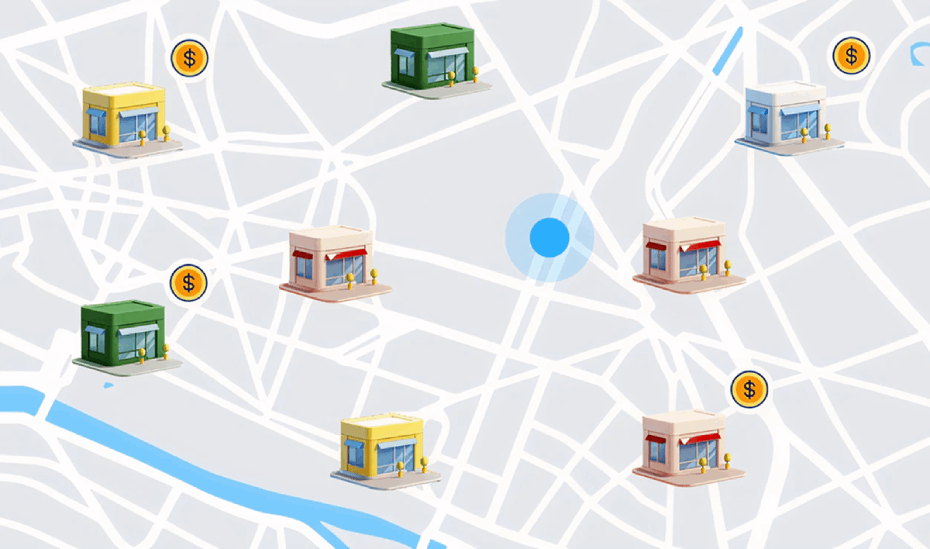



Through Gen 3 Pricing Systems, retailers can find out what store promotions drive up the fuel volume—and vice versa.
With the adoption of AI, convenience retail is getting smarter. It’s no longer just about using software for automation. Today, Generation 3 Pricing Systems are driving intelligent operational decisions every day in retail using AI and Trillions of External Signals. An integrated approach—connecting fuel, in-store and external data—is critical for pricing in today’s market, said Raj Golecha, CEO of PriceEasy, a Generation 3 pricing and retail intelligence platform used in 22 countries. He detailed how external intel and AI drive intelligent pricing decisions.
Fuel & Store Pricing, Unified
Fuel and store operations are part of one customer-facing asset, yet they’re sometimes treated as two separate worlds.
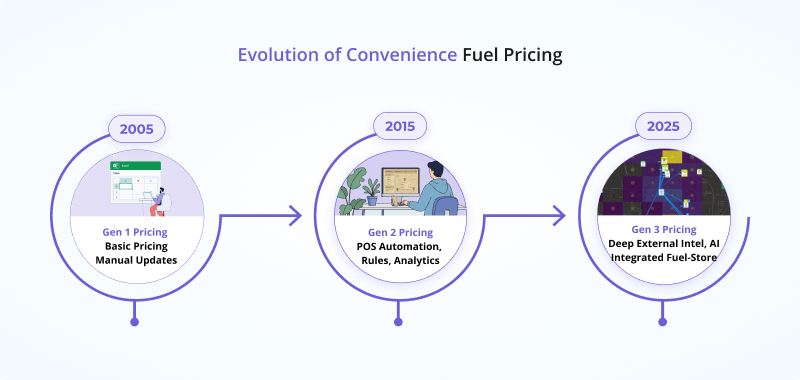
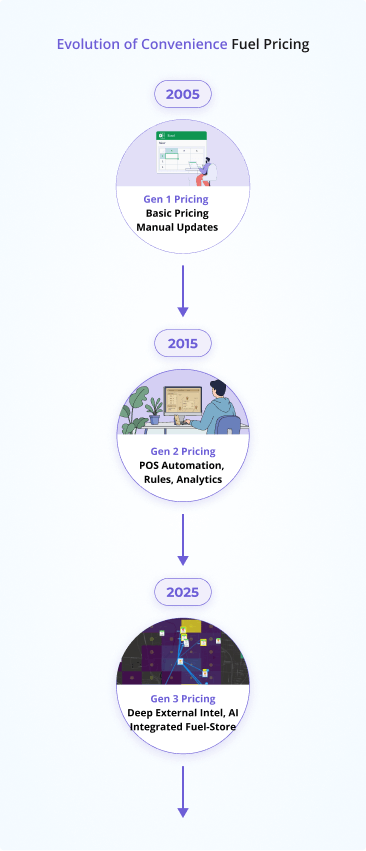
That disconnect stems from legacy Gen 2 pricing systems built around 2015, which can’t provide an integrated view of fuel and store performance. Gen 3 pricing dives deeper into what’s going on at the store, providing actual insights for retail teams to learn from and act on. For more on the differences between Gen 2 and Gen 3 pricing systems, check out part one of this two-part series.
At PriceEasy, the Generation 3 pricing system, modules like Conversion IQ, break these silos by analyzing when fuel drives store profit, when store promotions boost fuel volume and the adjacent sales potential of each product. This enables retailers to build dynamic fuel and store pricing strategies that fully integrate both sides of the business.
For example, one of our retail partners discovered that its $0.99 breakfast offer increased morning fuel volumes by 9%—but only in areas with specific demographic profiles. By connecting store and fuel performance with external intelligence, they were able to design optimal pricing and promotional strategies tailored to the unique demographics of each location.
Unlocking Price Book Opportunities
Price books are the backbone of retail, and managing them well requires intelligent yet streamlined software.
The biggest opportunity lies in understanding the drivers of price perception and price zone optimization. Instead of a basic approach such as basic multi-level prices – one for freeway versus city stores, retailers should leverage large external data and AI to understand how site-specific customer demographics influence store buying behavior—and build pricing zones optimally. This is of immediate value.
That’s what we’ve built in PriceEasy – a Generation 3 PriceBook. It’s an end-to-end engine that creates optimal pricing zones, simulates pricing changes, and automatically updates store prices. One of our large convenience partners automated 97% of store pricing actions across 200 stores with PriceEasy’s Price IQ, saving 1,000 hours a month and increasing profit by 3.4%. Retailers that are using Electronic Price Tags will see immediate value with Generation 3 PriceBook systems.

Closing Thoughts
Fuel retail locations operate as a single customer experience, yet many operators still manage fuel pricing and store pricing as separate strategies. This disconnect can limit visibility into how different parts of the business influence one another.
Modern pricing technologies are helping retailers close this gap by integrating fuel performance, store activity, and external market signals into a unified view of site operations.
By analyzing how fuel demand interacts with in-store promotions, product pricing, and local demographics, operators can uncover insights that were previously difficult to identify.
As the retail landscape becomes more competitive and data-driven, the most successful operators will be those who treat fuel and store pricing as interconnected components of a broader strategy. When these systems work together, retailers gain the ability to optimize traffic, increase basket size, and improve overall site profitability.
In today’s convenience retail environment, the future of pricing lies not in managing fuel and store operations separately, but in connecting them through intelligent, data-driven decision making.